When people mention about digital disruption, the first thing that comes to mind is the IT industry. However, in recent years, the fashion industry has also grown rapidly, contributing approximately £ 32 billion in 2017 to the UK GDP ($ 41.8billion) and about 1 in 11 people engaged in the creative industry. (GOV.UK, 2018) The main reason for the rapid development of the creative industry is that the development of digital has changed the traditional model. This article will describe the aspects of digital business that have impacted designers and some changes that may be encountered in the future.
First of all, fashion designers now have more flexible office locations than they used to work in the office. They are more inclined to work in a comfortable place such as at home or a coffee shop (Gelles, 2018). Because a comfortable environment can help them develop more innovation, and because the digital business allows designers to upload their own design plans anytime, anywhere. So, it is not necessary to be limited to the office. In addition, digital devices allow designers to record inspirations anytime, anywhere without having to carry complicated painting tools such as pens and sketch paper with them, such as the camera and video functions of mobile phones and electronic hand-painted tablets.
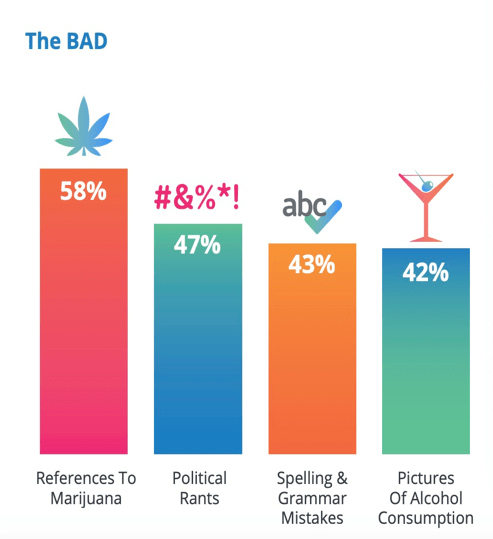
The second important impact is on recruitment. In the past, recruiters paid more attention to applicants’ written resumes and performance during interviews. However, employers now prefer to understand candidates through their social media situation (Kreiss, etc. 2018), for example, through their social accounts to understand their character and attitudes to life, positive or negative. They can also judge whether the candidate’s design style meets the company’s needs by watching the creative designs and videos that the candidates usually release.
In addition, companies often find great talent on social media in order to recruit the right employees. From the pictures, it is easy to understand which aspects of the company are paying attention to and which are the aspects that bring a bad impression to recruiters. Due to this change, for designers looking for work, they must also run their social accounts well, show a positive attitude towards life and show their creative designs to attract the attention of recruiting companies.
Picture 1: Social Sleuthing Is Standard in Recruiting

Source: https://www.jobvite.com/wp-content/uploads/2018/11/2018-Recruiter-Nation-Study.pdf
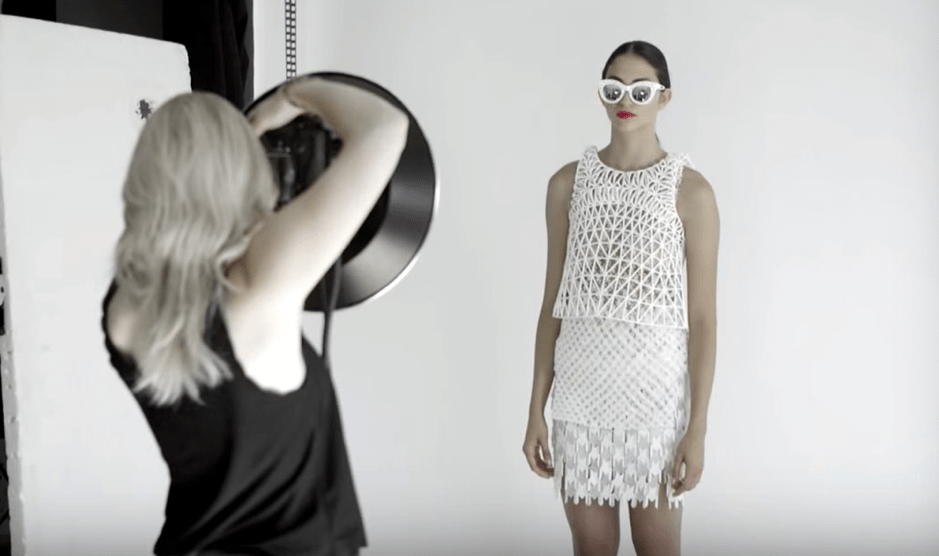
The third aspect is the advent of AI and bigdata. Compared with the little communication between consumers and designers in the past, now they are closer. For consumers, they can have the opportunity to express their views on the design and some opinions and can also express their preferences and tendencies through social media. AI and bigdata will help designers organize and count consumer opinions and ideas, and designers can use these opinions to design and meet consumer needs. This will reduce the uncertainty of new designs and the risk of production. For example, people have paid more attention to environmental protection in recent years, so more and more designers have begun to adopt environmentally friendly materials and choose 3D printing technology to reduce the environmental impact.
3-D print cloth
Source :https://youtu.be/3s94mIhCyt4
More details information about 3D print follow the link
In future
Due to the rapid development of the Internet, design may no longer be a one-man design. It is more likely that designers will work together with online design. Even the world ’s designers can work together. (O’Keefe & Rottenberg,2017).This will require designers to change the style of independent design and accept a Joint Design Concept.This will help designers learn from each other and improve efficiency. As for the product style, like the collaboration design of many brands now, the future design style will also be more international and diversified.
In addition, based on co-design, the relationship between designers and consumers will change here. In the future, more consumers may work with designers to design their fashions, and also allow customers to have a sense of participation in the design process. This will also require future designers to have the ability to perfectly integrate customer inspiration into the design.
Although the electronic economy brings many conveniences to fashion designers, many people still cannot keep up with the development of technology. Nowadays society is aging, the general retirement age has increased to 68 in UK. (Batchelor, 2017) However, the digital economy is developing rapidly, and technology is being replaced more quickly. This will cause older generations of designers to not quickly accept and adapt to new technologies. This would make them less competitive with modern young designers, leading them to be kicked out of the fashion industry.
In conclusion, the development of digital commerce has changed the traditional model of many industries, changing more businesses from offline to online. For fashion designers, technology has brought a lot of design conveniences, which is more beneficial to develop their design innovations. But they have to maintain the ability to learn at all times to ensure that they are not eliminated by the times.
Reference list:
Gelles, D. (2018). The New York Times. The WeWork Manifesto: First, Office Space. Next, the World. Retrieved from: https://www.nytimes.com/2018/02/17/business/the-wework-manifesto-first-office-space-next-the-world.html
Batchelor,T. (2017). Independent. State pension age: Millions of people will have to work an extra year before retiring at 68. Retrieved from: https://www.independent.co.uk/author/tom-batchelor
GOV.UK. (2018). Creative industries: Sector Deal (HTML). Retrieved from: https://www.gov.uk/government/publications/creative-industries-sector-deal/creative-industries-sector-deal-html
O’Keefe, A., & Rottenberg, S. (2017). Integrated Design Innovation: A Mindset for Designers of Tomorrow. Design Management Review, 28(3), 10-16.
Kreiss, D., Lawrence, R. G., & McGregor, S. C. (2018). In their own words: Political practitioner accounts of candidates, audiences, affordances, genres, and timing in strategic social media use. Political communication, 35(1), 8-31.
 qihui wang digital blog
The arrival of the digital disruption is both an opportunity and a challenge for fashion designers. Lifelong learning is a positive attitude towards life, let’s progress together.
赞赞
This is a fascinating post, as it provides extensive knowledge to lots of new designers and candidates, who are in search for a better role in the fashion industry on how social media can help them. However, the emergence of digital platforms is creating hurdles for the old generation, as they are less innovative and low budget to integrate technologies. I found an interesting (https://all-digital.org/social-media-older-people-promising-future/). Because technology provides benefits to only the new generation, then what about the old generation, who have spent their whole life? People like only those brands, who show their portfolio of different social accounts, but the fact is that the old designer is still much talented. That is why they also need some platforms to protect their roots.
赞赞
I quite agree with you that new designers can only catch the current trend through online interaction with customers and social media feedback. Fashion also needs to be closer to consumers and consider more commercial values in order to gain a foothold in today’s consumer market. Whether it’s a change in the location of the designer’s office or a change in the way the designer gets creative. Ultimately, we need to adapt to the trend of The Times. Adapting to new technology is a new task for future designers.
赞赞